

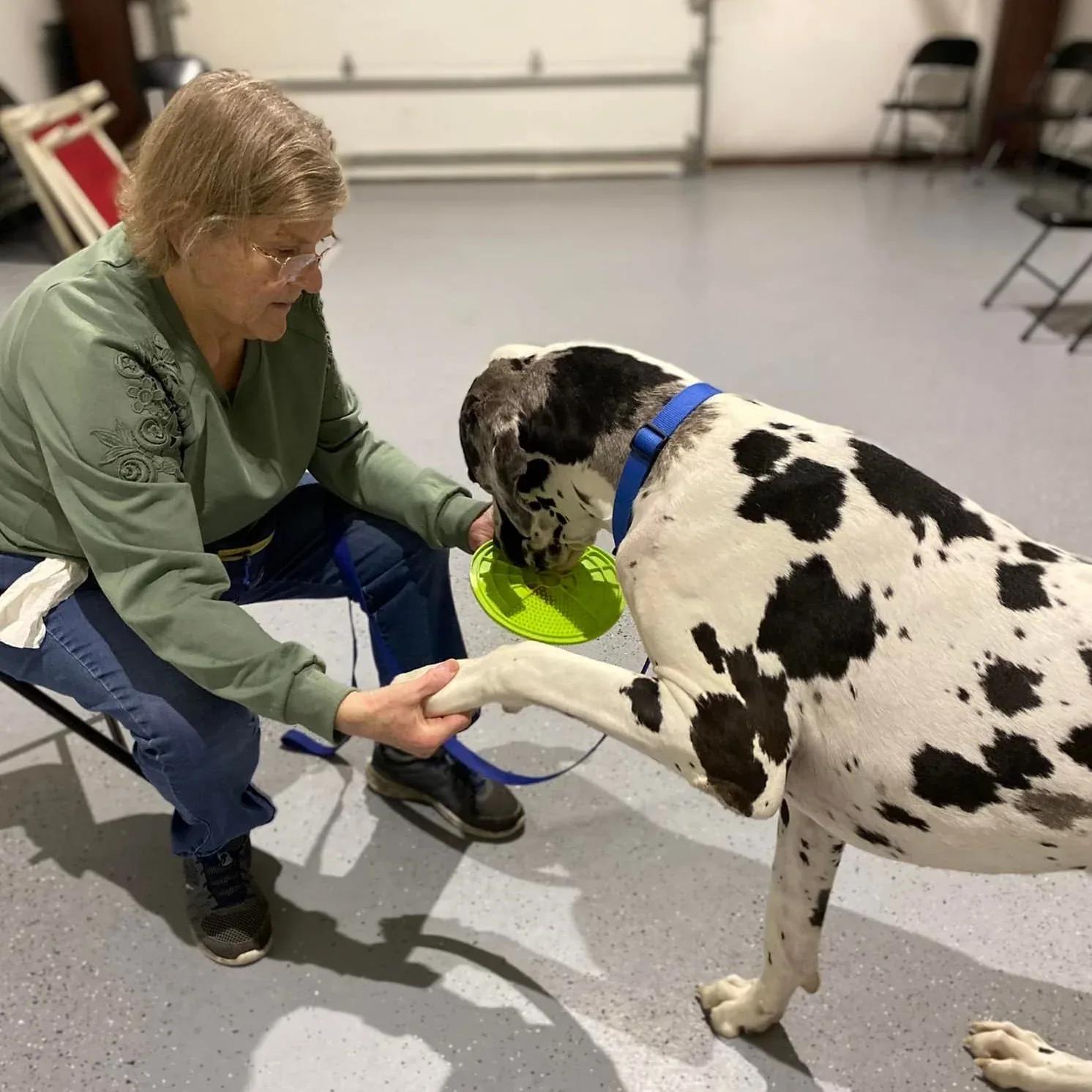
A dog daycare temperament evaluation is the step that happens before a dog ever joins group play, and it quietly shapes the safety and enjoyment of every day that follows. Owners sometimes find the process surprising. A dog that is friendly at home and well loved by the neighborhood may still need a careful introduction to a room full of unfamiliar dogs. The evaluation exists so that staff can learn who each dog is, match that dog with compatible playmates, and avoid the kind of mismatches that lead to stress or conflict.
Why Daycares Evaluate Dogs Before Group Play
Group play is one of the most rewarding parts of daycare, and it is also the part with the most variables. Dogs bring different play styles, energy levels, sizes, and histories into a shared space. Some dogs love to chase, others prefer to wrestle, and others would rather sniff around quietly near a person. When those styles collide without any planning, even well-meaning dogs can end up overwhelmed or in a scuffle.
An evaluation gives the staff a chance to observe a dog in a controlled setting before anything is left to chance. It also gives the dog a gentler entry, since a calm introduction to the space and the people is much easier on a new arrival than being dropped into a lively group on the first morning.
What Happens During an Evaluation
Formats vary, but most evaluations follow a similar pattern. The staff begins by gathering information from the owner, such as the dog’s age, breed mix, vaccination status, spay or neuter status, medical history, and any past experiences with other dogs. They also ask about behaviors the owner has noticed, including how the dog reacts to visitors, to food or toys, and to being handled.
After the conversation, staff watch the dog in person. They look at how the dog behaves when entering a new environment, how comfortable it is with handling, and how it responds to one or two calm, well-socialized dogs introduced gradually. The observations typically focus on the following:
Body language, including posture, tail carriage, and signs of tension or relaxation
Reaction to new people, noises, and unfamiliar surfaces
Interest in other dogs and how the dog approaches them
Response to play invitations and to a play partner’s cues to slow down
Resource guarding around toys, treats, or water bowls
Ability to recover after excitement and settle
None of these observations is a pass or fail test in the way owners sometimes fear. They are information that helps staff decide where and how the dog can succeed.
How Play Groups Are Formed
Once staff understand a dog’s temperament, they can place it in a group that fits. Groups are usually organized by a combination of size, energy level, and play style rather than by size alone. A confident, high-energy dog may do well with other energetic dogs, while a shy or older dog may do better in a calmer group where interactions are gentle.
Placement is not permanent. Staff continue to watch how each dog behaves over the first several visits and adjust groups as needed. A dog that was cautious on day one may blossom within a few weeks, and a dog that started out overexcited may learn to settle. Good facilities treat group assignment as an ongoing process rather than a one-time decision. Regular attendance at dog daycare helps staff build that familiarity.
What Evaluations Reveal About Dogs That Need Extra Support
Some dogs are not ready for open group play at first, and that is useful information rather than a rejection. A dog that is anxious around other dogs may benefit from starting with short visits, small groups, or one-on-one time with staff. A dog that guards resources may need structure around toys and treats. A young puppy may need to be introduced gradually while vaccinations are completed.
These findings can also point toward other services that support the dog’s development. Structured dog boarding stays can offer a calmer environment for dogs who are working up to larger groups, and consistent dog grooming visits build comfort with handling by the same familiar people.
Health, Vaccinations, and Safety Requirements
The evaluation also covers health requirements, which protect every dog in the group. Most daycares ask for proof of current vaccinations, typically rabies, distemper, parvovirus, and bordetella, along with flea and tick prevention. Many also require that dogs past a certain age be spayed or neutered, since hormonal behavior can change how dogs interact in a group.
Staff may also note the condition of a dog’s coat, nails, ears, and overall body weight. These details help them spot discomfort or health changes that could affect how a dog plays. A dog with sore joints, for example, may need a calmer group and softer surfaces. Sharing any medical conditions or medications ahead of time lets the team plan around them from the first visit.
Re-Evaluating Over Time
A dog’s needs change as it matures. Puppies grow into adolescents with new levels of energy, adult dogs slow down with age, and recovery from illness or surgery can call for a temporary adjustment. Periodic re-evaluation keeps group placement matched to where each dog is now, and it gives owners a chance to share what they are noticing at home.
How Owners Can Prepare
Owners can make the evaluation more useful by being candid. Sharing details about a dog’s history, including any past scuffles, fears, or health concerns, gives staff the context they need. Arriving with a dog that has had a chance to exercise and relieve itself, and keeping the goodbye short and calm, also helps the dog settle in.
A dog daycare temperament evaluation protects every dog in the building, including yours. Facilities that take the time to do it carefully are showing that they value safe, positive experiences over simply filling spaces.