

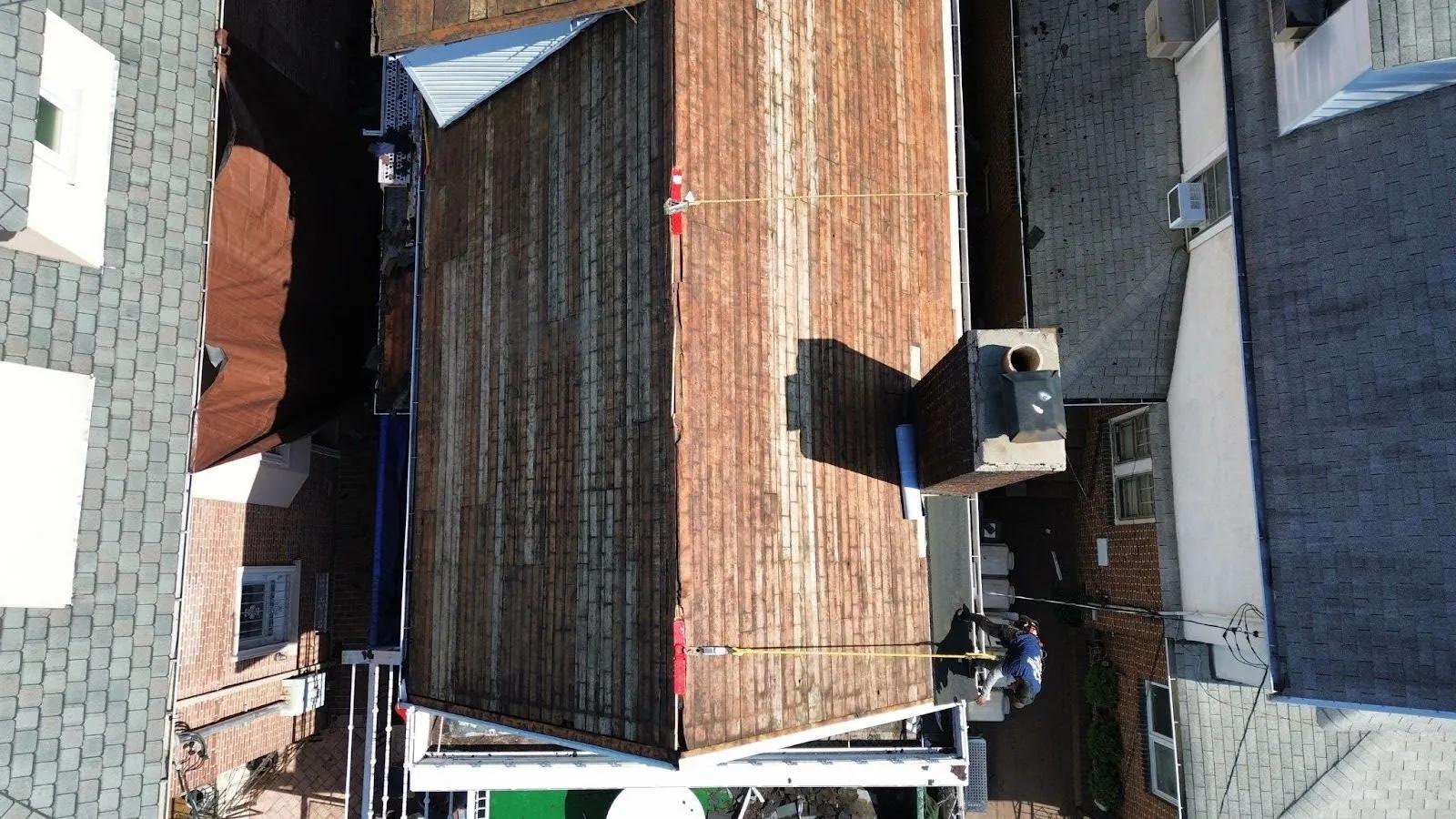
Introduction
Roof repairs are often the right solution when damage is limited and the rest of the roofing system remains in good condition. But there comes a point when repeated repairs stop being the most practical option. For many homeowners, the challenge is knowing when a roof has moved beyond isolated fixes and into replacement territory. Understanding that transition can help prevent ongoing expenses, reduce the risk of repeated leaks, and protect the home from more serious structural problems.
Why Some Roofs Reach a Point Where Repairs Stop Making Sense
Every roof experiences wear over time. Sun exposure, rain, wind, seasonal storms, and changing temperatures all gradually weaken roofing materials. In the early stages, repairs may be enough to address minor leaks, damaged shingles, flashing issues, or isolated storm damage. The problem becomes more complicated when those issues begin appearing in multiple areas or returning soon after being fixed.
A roof that needs frequent repairs may be showing signs of broader system failure rather than isolated damage. If one section is repaired but nearby areas continue deteriorating, the homeowner may end up paying repeatedly without restoring the overall reliability of the roof. At that stage, replacement often becomes a more stable long-term decision.
Signs That Repairs May No Longer Be Enough
One of the clearest signs is recurring leaks. If water intrusion continues despite previous repair work, the problem may be more widespread than it first appeared. Leaks that shift locations or reappear after storms often suggest aging materials, deteriorated underlayment, or hidden weaknesses beneath the surface.
Another sign is widespread shingle damage. If shingles are curling, cracking, losing granules, or going missing across multiple sections of the roof, repairing only one area may not solve the larger issue. Flashing deterioration, sagging areas, persistent drainage problems, and moisture entering around roof penetrations can also indicate that the roofing system is nearing the point where replacement deserves serious consideration.
Age matters as well. Even if a roof is not failing dramatically, older materials often become less dependable over time. Once a roof nears the end of its expected service life, repairs tend to offer shorter-term results and may not provide the same value they once did.
Why Repeated Repairs Can Become More Expensive Over Time
Many homeowners choose repairs first because they seem more affordable in the moment. That often makes sense at the beginning. But when repair after repair is needed, the total cost can add up without solving the root problem. In some cases, homeowners end up paying for multiple service visits, recurring interior fixes, and temporary corrections that still leave the roof vulnerable.
There is also the cost of hidden damage. A roof that continues leaking may affect insulation, decking, framing, ceilings, and walls. If the underlying roof system is no longer dependable, each delay increases the chance that moisture will spread farther into the home. What started as a decision to save money with another repair can eventually lead to a much larger overall expense.
How Roof Replacement Can Change the Decision
Roof replacement changes the conversation because it addresses the condition of the full roofing system rather than patching one symptom at a time. Instead of focusing only on visible problem spots, replacement gives homeowners the chance to restore long-term performance, improve weather resistance, and reduce the uncertainty that comes with an aging roof.
This does not mean every roof with damage needs full replacement. But when multiple issues are present, materials are heavily worn, or repairs no longer hold up well, replacement often provides a better long-term outcome. It can also make future maintenance more predictable by removing layers of older deterioration that are otherwise difficult to manage.
What a Professional Assessment Helps Clarify
A professional roof evaluation is often the best way to determine whether repairs still make sense or whether replacement should be considered. That assessment can reveal how far wear has spread, whether the roof deck has been affected, how much useful life remains in the current materials, and whether the existing system is still capable of protecting the home reliably.
Homeowners researching roof replacement NYC are often weighing whether they should continue repairing an aging roof or move toward a more complete solution. A professional inspection helps make that decision based on actual roof condition rather than guesswork or short-term symptoms.
Why Timing Matters in the Repair-vs-Replacement Decision
Waiting too long to replace a failing roof often creates more complications. As materials continue breaking down, the risk of interior water damage rises. Small vulnerabilities can turn into larger openings during the next storm, and damage that was once limited to shingles or flashing can begin affecting decking and structural components.
Replacing a roof before severe failure occurs usually gives homeowners more control over the process. It allows for better planning, reduces the chance of emergency disruption, and often helps avoid the added cost of repairing interior damage caused by delay. In many cases, the best time to replace a roof is before the next major weather event exposes all of its remaining weak points.
Why the Right Choice Depends on the Full Condition of the Roof
The decision between repair and replacement is rarely based on one factor alone. A relatively new roof with isolated storm damage may only need targeted repair. An older roof with recurring leaks, widespread wear, and repeated patchwork may be in a very different category. That is why the full condition of the roof matters more than any single visible symptom.
Homeowners benefit most when they look at the roof as a complete system. If multiple components are aging together, fixing one section may not deliver the reliability needed going forward. Replacement becomes more appropriate when the roof no longer performs consistently as a whole.
Conclusion
Roof replacement decisions usually change when repairs stop solving the bigger problem. Recurring leaks, widespread material wear, repeated patchwork, and an aging roofing system can all point to a stage where continued repairs offer less value and more uncertainty. While repairs are often the right first step, they are not always the most effective long-term answer.
By evaluating the full condition of the roof and acting before damage spreads further, homeowners can make a more informed decision about when replacement is the better investment. In many cases, replacing the roof at the right time is what prevents ongoing repair costs from turning into larger structural and financial problems.