

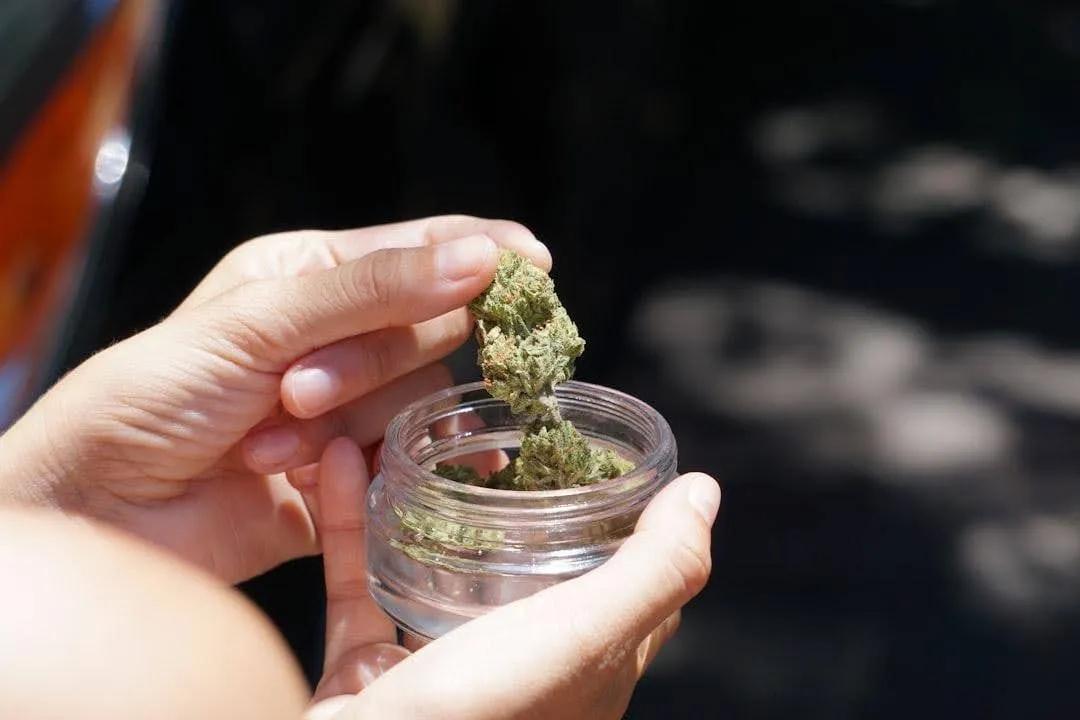
Cannabis concentrates are usually evaluated at the point of purchase, based on appearance, aroma, and lab results. What happens afterward receives far less attention.
Concentrates change measurably once opened, and the rate depends heavily on how they are stored. A product that impressed on day one can behave differently three weeks later.
Why Are Concentrates More Sensitive Than Flower?
Concentrates contain compounds stripped of the plant material that partially protected them. Terpenes in particular are volatile and evaporate readily once exposed to air.
That concentration is what makes the product potent and also what makes it fragile. There is less structure holding the volatile compounds in place.
What Actually Degrades First?
Terpenes degrade before cannabinoids in most cases. Aroma and flavor typically diminish noticeably while potency remains relatively stable.
Anyone comparing products across a Las Vegas concentrates menu will find that live resin and rosin are described largely in terms of terpene preservation, which is exactly the quality most vulnerable to poor storage after purchase. The characteristic that justifies the price is the one that fades first.
A concentrate that has lost its aroma has lost much of what distinguished it. The potency may be intact while the experience is not.
How Does Temperature Affect Storage?
Heat accelerates both terpene evaporation and cannabinoid degradation. A concentrate left in a warm room changes faster than one kept cool.
Consistent cool storage away from direct light slows both processes substantially. Temperature stability matters as much as the temperature itself.
Does Refrigeration Help?
Cool storage generally extends shelf life, though condensation becomes a concern when a cold container is opened in a warm room. Moisture introduction creates its own problems.
Allowing a chilled container to reach room temperature before opening reduces that risk. The handling matters as much as the storage temperature.
What Does Air Exposure Do?
Oxygen exposure drives oxidation of both cannabinoids and terpenes. Every opening of the container introduces fresh air and accelerates the process.
Containers opened frequently degrade faster than those opened rarely. Portioning larger purchases into smaller containers limits repeated exposure.
How Do Different Textures Behave?
Concentrate textures vary from stable shatter to soft badder and sauce, and they do not age identically. Products with higher terpene content generally show change sooner.
Some texture change over time is normal rather than a defect. Shatter developing a cloudy appearance, for instance, reflects a natural process rather than contamination.
What Practices Extend Usable Life?
Several storage habits meaningfully slow degradation:
Consistent cool storage away from direct light
Airtight containers opened as infrequently as practical
Portioning larger amounts into smaller sealed containers
Allowing chilled containers to warm before opening
Using clean tools to avoid introducing contaminants
None of these require special equipment. They mainly require treating the product as perishable.
How Long Do Concentrates Realistically Last?
Properly stored concentrates generally remain usable for months, though aroma and flavor decline before potency does. Buying quantities that will be consumed within a reasonable window is the simpler solution.
Purchasing a large amount to secure a lower price frequently trades money saved for quality lost. The economics look different once degradation is accounted for.
What Does Nevada Testing Confirm at Purchase?
Nevada requires laboratory testing before retail sale, covering potency and contaminant screening. That testing describes the product at the time it was packaged.
It does not describe how the product will hold up in a consumer's cabinet. Post-purchase handling is entirely on the buyer.
What Should Shoppers Ask Before Buying?
Useful questions include the packaging date, the recommended storage approach for that specific texture, and whether the product is best consumed within a particular window.
Staff familiar with their inventory generally know which products are more sensitive. Asking before purchase is more useful than discovering it later.
What Should Someone Look For at Purchase?
Appearance and aroma at the point of purchase give useful information about how a concentrate has been handled before reaching the shelf. Products showing significant separation or muted aroma may have been stored poorly.
Packaging date is worth checking alongside those observations. A recently packaged product has had less opportunity to degrade regardless of how it is stored afterward.
How Do Solventless Products Compare on Stability?
Solventless products such as rosin are frequently described as more temperature sensitive than solvent-extracted alternatives, and cold storage is commonly recommended for them specifically. Producers often state storage guidance on the packaging.
Following producer guidance rather than applying a single standard across all concentrates gives better results. The categories genuinely differ in how they should be handled.
How Does Consumption Method Interact With Freshness?
Lower-temperature consumption methods preserve more of the terpene content that remains in an aging concentrate, which partially compensates for storage-related loss. Higher temperatures destroy volatile compounds during use as well as during storage.
For a concentrate that has lost some aroma, adjusting technique can recover part of the experience. It does not restore what has already evaporated, but it avoids losing more during consumption.
Concentrates are perishable in a way that flower is somewhat less so, and the qualities that command a premium are the first to fade. Storage after purchase determines much of the value actually realized.
For anyone buying concentrates, the practical step is to store them cool, sealed, and away from light, and to buy quantities that will be used within a sensible window.