

Cold therapy wraps for elbow injury and surgery recovery address a joint that presents specific challenges for effective cold therapy application — a complex hinge joint with bony prominences that make conforming cold contact difficult with standard flat products, and a joint that's under constant functional demand in daily life in ways that make complete rest during recovery rarely achievable. Whether the context is conservative management of lateral epicondylitis, recovery from UCL reconstruction, or post-surgical rehabilitation after elbow arthroscopy, the quality of cold therapy application directly affects pain management, swelling control, and the ability to participate in the rehabilitation activities that determine long-term functional outcomes.
The Elbow's Specific Cold Therapy Challenges
The elbow's anatomy creates cold therapy application challenges that differ from larger, more accessible joints. The medial and lateral epicondyles — the bony prominences on either side of the joint — create surface irregularities that flat gel packs bridge across rather than conform to, which means the therapeutic cold contacts the most prominent surfaces while leaving the softer tissue immediately adjacent to those prominences without consistent contact. The posterior aspect of the joint, where the olecranon bursa sits and where swelling frequently accumulates after surgery or trauma, faces away from any anteriorly placed cold pack.
Circumferential coverage — cold contact that wraps around the entire elbow joint rather than covering only one surface — is what delivers therapeutic benefit to all the areas generating post-injury or post-surgical inflammation simultaneously. A purpose-built cold therapy wrap for the elbow conforms to the joint's three-dimensional anatomy rather than bridging across its irregularities, maintaining consistent contact through the flexion and minor positional changes that occur even during rest.
Tennis Elbow and Golfer's Elbow — Conservative Management
Lateral epicondylitis (tennis elbow) and medial epicondylitis (golfer's elbow) are among the most common overuse injuries managed with cold therapy as part of a conservative treatment program. Both conditions involve tendinopathy at the attachment points of the forearm extensor or flexor muscles at the elbow — degenerative changes in the tendon tissue that produce pain with gripping, lifting, and the repetitive motions that characterize both occupational and athletic overuse.
Cold therapy in the management of epicondylitis serves two functions. Immediately after activity that provokes symptoms, cold application reduces the inflammatory response that aggravates the tendinopathy and controls the pain that limits function. During acute flare periods when inflammation is elevated and symptoms are most significant, consistent cold therapy throughout the day reduces the baseline inflammatory burden that makes daily activities painful.
The duration of cold therapy application matters particularly in tendinopathy management — the tendon tissue that's the source of symptoms is relatively avascular compared to muscle tissue, which means therapeutic effects need adequate application time to penetrate to the affected tissue depth. Extended-duration cold therapy products that maintain therapeutic temperature for three or more hours allow the sustained application that tendon-level therapeutic effect requires, without the active management burden that frequent pack changes impose on someone managing a chronic condition alongside daily work and life demands.
UCL Reconstruction Recovery
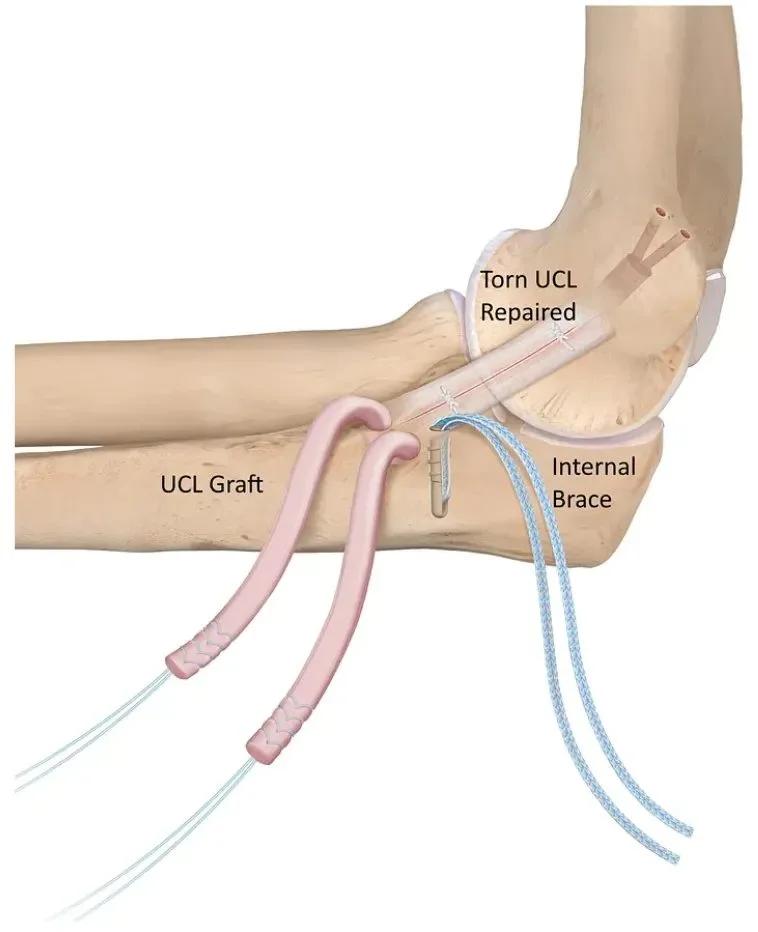
UCL reconstruction — Tommy John surgery — is the most commonly performed elbow ligament procedure and one where post-surgical cold therapy plays a meaningful role in the early recovery phase before the lengthy rehabilitation process begins in earnest. The surgery involves reconstruction of the ulnar collateral ligament using a tendon graft, generating post-surgical swelling in the medial elbow and forearm that cold therapy directly addresses during the initial immobilization and early mobilization phases.
The elbow's position in a brace during early UCL recovery creates additional cold therapy application complexity — the wrap needs to work around or alongside the brace rather than requiring its removal for every cold therapy session. Purpose-built orthopedic cold compression wraps designed for elbow application accommodate this practical requirement in ways that improvised cold therapy solutions don't reliably achieve.
Elbow Arthroscopy and Outpatient Recovery
Elbow arthroscopy — performed for a range of conditions including loose body removal, synovitis treatment, and osteochondral defect management — is typically an outpatient procedure with recovery managed entirely at home from discharge. The home recovery context makes self-manageable cold therapy particularly important — products that patients can apply, secure, and manage independently without assistance, that stay in position during the limited activity of early recovery, and that provide enough duration to allow rest without constant interruption for pack changes.
The use instructions for elbow cold therapy wraps guide patients through application positioning, duration, and frequency in straightforward terms that make self-management realistic for patients managing outpatient elbow surgery recovery without nursing support.
Integration With Occupational and Physical Therapy
Elbow rehabilitation — whether following surgery or managing conservative treatment for epicondylitis — involves progressive loading of the affected structures through a therapy program that generates its own inflammatory response as tissue is stressed and adapts. Cold therapy applied after therapy sessions manages that post-exercise inflammatory response and allows patients to participate in their rehabilitation program at the frequency and intensity that optimal recovery requires rather than being limited by pain and swelling from inadequate post-exercise recovery management.