

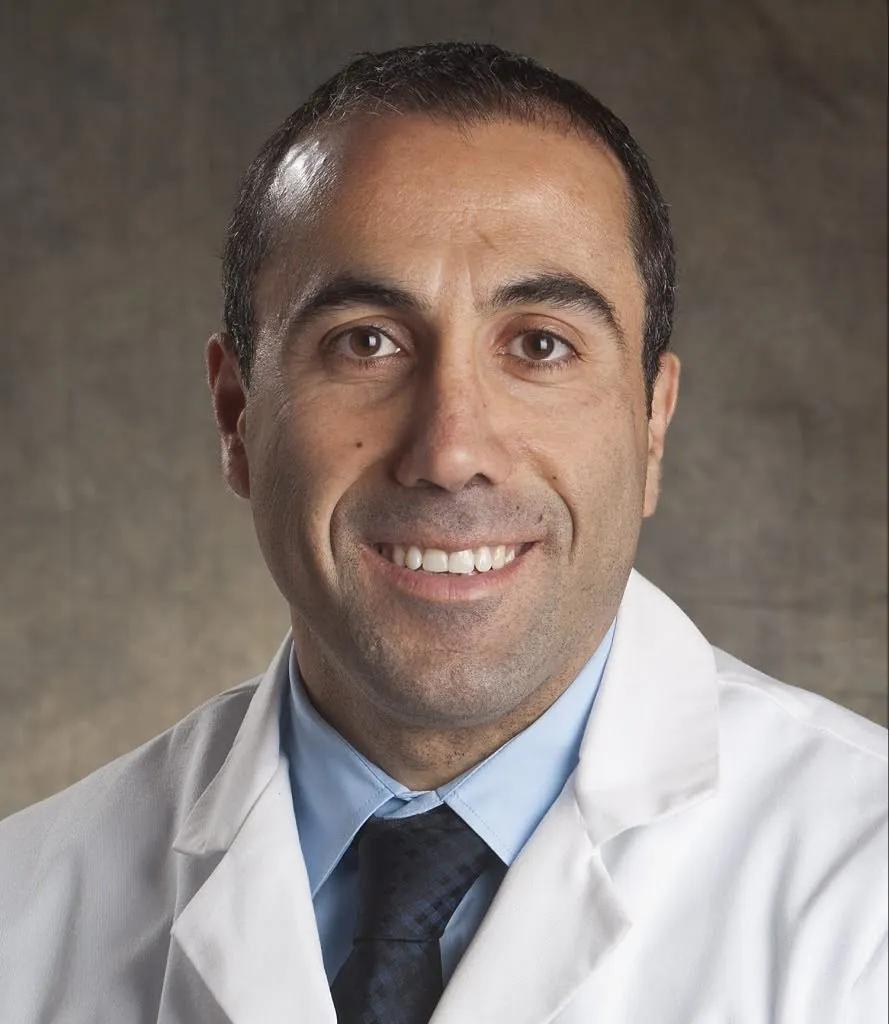
Obstructive sleep apnea is often described by patients in modest terms, such as loud snoring or feeling tired despite a full night in bed. Dr Michel Alkhalil, Medical Director of Troy Sleep Center and AAIRS Clinic, evaluates sleep apnea as a condition that requires careful diagnosis, structured testing, and ongoing attention to each patient’s broader clinical picture.
For patients across Oakland and Macomb counties, that process is supported by Troy Sleep Center’s AASM accreditation and by Michel Alkhalil MD’s dual board certification in Sleep Medicine and Allergy & Immunology.
Dr Michel Alkhalil is a dual board-certified physician in Sleep Medicine and Allergy & Immunology. His fellowship training connected to Drexel University College of Medicine, Hahnemann University Hospital, and St. Christopher’s Hospital for Children covered both pediatric and adult sleep medicine, giving him experience across a broad patient population.
His residency training at St. Joseph Mercy Oakland Hospital provided an early foundation within the Michigan healthcare system. He later completed Allergy & Immunology fellowship training at the University of South Florida, adding a second specialty that informs how AAIRS Clinic and Troy Sleep Center evaluate symptoms that involve sleep, airway function, allergy, and respiratory health.
What Obstructive Sleep Apnea Involves
Obstructive sleep apnea occurs when the airway becomes partially or fully blocked repeatedly during sleep, interrupting normal breathing patterns. Each interruption may trigger a brief arousal, often too short for the patient to remember, but frequent enough to disrupt restorative sleep.
Dr Michel Alkhalil’s approach to sleep apnea diagnosis begins with taking these patterns seriously, even when a patient’s main complaint is daytime fatigue rather than an awareness of breathing interruptions overnight.
Symptoms That Often Go Unreported
Loud snoring is one of the symptoms most commonly associated with sleep apnea, but it is not the only one. Morning headaches, difficulty concentrating, mood changes, dry mouth, and a persistent feeling of unrefreshing sleep can all appear in patients with sleep-disordered breathing.
Michel Alkhalil evaluates this range of symptoms because patients do not always connect them to a sleep-related cause. A person may report fatigue, while a family member notices snoring or pauses in breathing. A careful clinical history helps connect those details before testing decisions are made.
Who Benefits From Early Evaluation
Patients who notice a pattern, such as snoring paired with morning fatigue or a report of pauses in breathing overnight, may benefit from pursuing evaluation. Sleep apnea symptoms are often explained away as stress, aging, weight change, or a busy schedule, which can delay diagnosis.
That delay is understandable. Daytime fatigue is common, and snoring is often treated as a household nuisance rather than a possible clinical signal. Recognizing when symptoms form a pattern is an important first step toward a more accurate evaluation.
For patients in Oakland and Macomb counties, Troy Sleep Center provides a structured setting for that evaluation under physician leadership.
How Diagnosis Works at an Accredited Sleep Center
Diagnosing obstructive sleep apnea typically involves a sleep study, either conducted in a clinical setting or, in some cases, at home depending on the patient’s presentation. At an AASM-accredited facility like Troy Sleep Center, testing follows established standards for sleep medicine evaluation.
Michel Alkhalil MD’s accredited diagnostic process gives patients a consistent framework for sleep testing and interpretation. That matters because sleep study data often forms the basis for diagnosis and treatment planning.
A sleep study can measure breathing patterns, oxygen levels, sleep stages, and related findings that help determine whether obstructive sleep apnea is present and how severe it may be. The purpose is to replace guesswork with structured clinical information.
Why Severity Matters
Not all sleep apnea presents the same way. Treatment decisions often depend on how frequently breathing interruptions occur, how oxygen levels are affected, and how symptoms appear in the patient’s daily life.
A diagnosis that quantifies severity gives a physician a clearer basis for recommending a care path. It also helps avoid a one-size-fits-all approach, since mild, moderate, and severe sleep apnea may require different levels of follow-up and management.
Treatment Approaches After Diagnosis
Once a diagnosis is established, treatment options may include positive airway pressure therapy, lifestyle adjustments, oral appliance consideration, or other interventions depending on severity and individual patient factors. Follow-up care is important because sleep apnea treatment may need adjustment over time.
Dr Michel Alkhalil’s dual training in sleep medicine and allergy and immunology also supports evaluation of related airway and respiratory factors. For some patients, allergic congestion or other breathing concerns may contribute to disrupted sleep or complicate the clinical picture.
That overlap is one reason AAIRS Clinic and Troy Sleep Center bring sleep, allergy, and pulmonology care together within a single practice. A patient whose sleep apnea symptoms intersect with allergy or respiratory concerns may benefit from a coordinated approach rather than separate, disconnected evaluations.
Why Untreated Sleep Apnea Deserves Attention
Obstructive sleep apnea is not only a matter of snoring or feeling tired. Persistent sleep-disordered breathing can affect daytime function, concentration, and broader health patterns. This is why early evaluation matters, particularly when symptoms occur repeatedly or interfere with daily life.
The goal of diagnosis is to understand what is happening during sleep and identify an appropriate path forward. At Troy Sleep Center, AASM accreditation supports that process by connecting diagnostic care to recognized sleep medicine standards.
A Coordinated Path From Diagnosis to Ongoing Care
Troy Sleep Center’s accredited structure, combined with Dr Michel Alkhalil’s dual specialty background, supports a diagnostic and treatment path that considers related clinical factors. Patients do not always arrive with a single, isolated concern. They may have snoring, congestion, fatigue, airway symptoms, or other issues that overlap across sleep, allergy, and pulmonology.
Dr Michel Alkhalil’s coordinated sleep care model reflects the multi-specialty structure of AAIRS Clinic and Troy Sleep Center. For patients across Oakland and Macomb counties, that structure offers a clearer route from initial concern to testing, diagnosis, follow-up, and ongoing care.
About Dr Michel Alkhalil
Dr Michel Alkhalil is a dual board-certified physician in Sleep Medicine and Allergy & Immunology and Medical Director of AAIRS Clinic and Troy Sleep Center in Michigan. His training includes fellowship work at Drexel University College of Medicine, Hahnemann University Hospital, St. Christopher’s Hospital for Children, and the University of South Florida, along with residency at St. Joseph Mercy Oakland Hospital. He serves patients throughout Oakland and Macomb counties through a multi-specialty practice focused on sleep, allergy, and pulmonology care. More information is available through the practice website.