

Cost Basis Differences Between Card-Present and Card-Not-Present Processing at Volume
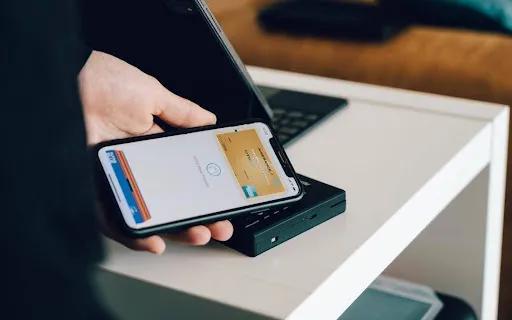
Card-present transactions, where a physical card is dipped, tapped, or swiped, qualify for lower interchange rates than card-not-present transactions because the physical card presence reduces fraud risk from the card network's perspective. For merchants operating both a physical and online presence, understanding this gap is essential to accurately forecasting processing costs as channel mix shifts.
The interchange difference between the two categories commonly runs 0.5 to 1.5 percentage points, which becomes a substantial dollar figure once a business processes millions across both channels annually.
Finance teams building annual processing cost projections frequently apply last year's blended rate forward without accounting for how channel mix is expected to shift, which introduces avoidable forecasting error.
Pricing Strategy Implications of the Cost Gap
The interchange gap between card-present and card-not-present transactions has direct implications for product pricing and margin, particularly for businesses where online sales are growing as a share of total revenue.
Factor channel-specific processing cost into product margin calculations, not a single blended assumption
Consider modest price adjustments for channels carrying meaningfully higher processing cost
Avoid passing the full cost gap directly to customers without competitive benchmarking
Revisit pricing assumptions annually as channel mix and interchange rates evolve
Businesses that build this channel-specific cost awareness into their pricing strategy protect margin more effectively than those pricing uniformly across channels regardless of the underlying processing cost differences.
Why the Card Network Prices Risk Differently by Channel
Interchange pricing reflects the card network's assessment of fraud probability for each transaction type, and card-present transactions carry inherently lower fraud risk because a stolen card number alone is not sufficient to complete the transaction without the physical card present.
EMV chip transactions carry the lowest card-present interchange tier
Contactless tap transactions generally match chip-level pricing
Card-not-present transactions without additional authentication sit in a higher tier
3D Secure-authenticated card-not-present transactions can qualify for a reduced tier versus unauthenticated ones
How Channel Mix Shift Affects Total Processing Cost
The Impact of Growing Online Volume
A business that historically processed primarily in-store and is now growing its online channel faster than its physical locations will see its blended effective rate rise over time, purely as a function of channel mix, even if nothing about pricing or risk changed on either individual channel.
Forecasting Cost as Channel Mix Evolves
Accurately forecasting processing costs requires modeling card-present and card-not-present volume separately rather than applying a single blended rate assumption, since the growth rate of each channel independently drives the overall cost trajectory.
Strategies to Manage the Cost Gap
While the underlying interchange difference cannot be eliminated, several strategies reduce its impact on total processing cost.
Merchants operating both channels typically manage this cost gap most effectively through a high volume payment processor that provides separate channel-level reporting and negotiates markup independently for card-present and card-not-present volume, rather than a single blended rate that obscures which channel is actually driving cost increases.
Authentication tools like 3D Secure that move card-not-present transactions into a reduced interchange tier also meaningfully narrow the gap, particularly for merchants with high online transaction volume.
Practical Steps for Merchants Growing Online Volume
Businesses anticipating continued growth in their card-not-present channel benefit from proactively managing the factors within their control.
Implement 3D Secure 2.0 to access reduced card-not-present interchange tiers
Track effective rate separately by channel, not just in aggregate
Model future processing cost based on projected channel mix, not current mix
Review whether in-store tap-to-pay adoption can be increased to preserve card-present volume share
How Contactless and Mobile Wallet Adoption Affects the Picture
Tap-to-Pay as a Card-Present Equivalent
Contactless tap transactions, including mobile wallet payments made in person, generally qualify for card-present interchange rates despite the different physical interaction, which means growing contactless adoption at physical locations does not erode the card-present cost advantage the way a shift to online ordering does.
In-App and Mobile Web Purchases
Purchases made through a mobile app or mobile web browser are classified as card-not-present regardless of how the customer physically interacts with their phone, which is a common point of confusion when businesses assume mobile transactions automatically qualify for better rates.
Modeling the Combined Effect on Annual Processing Cost
An accurate processing cost forecast accounts for channel-specific rates applied to channel-specific volume projections, not a single blended assumption.
Project card-present and card-not-present volume separately based on channel growth trends
Apply the appropriate interchange range to each volume projection independently
Factor in any planned 3D Secure or authentication improvements that could shift qualification tiers
Revisit the model quarterly as actual channel mix data becomes available
Industries Most Exposed to This Cost Gap
The card-present to card-not-present cost gap matters more for some industries than others, largely based on how quickly their sales mix is shifting toward online channels.
Traditional retail transitioning to ecommerce: significant exposure as online share grows year over year
Restaurants adding online ordering: smaller exposure given lower average ticket sizes
Service businesses moving to online booking and prepayment: moderate exposure depending on ticket size
Businesses already primarily online: less exposure to the shift itself, though the absolute cost gap remains relevant
Businesses in the first category, actively transitioning a historically in-store customer base to online purchasing, benefit most from proactively modeling this cost shift rather than discovering it after the fact in a rising blended rate.
Planning Ahead of the Cost Shift, Not After
Merchants that model the interchange impact of channel mix shift before it happens are better positioned to price products and forecast margins accurately than those who only notice the effect after their blended effective rate has already climbed.
This is particularly relevant for high-volume merchants where even a small percentage shift in blended rate translates into a substantial dollar impact given the scale of total transaction volume involved.
This level of granularity takes more effort than a single blended rate assumption, but it produces a materially more accurate forecast for any business where channel mix is actively shifting.
Merchants that build this channel-aware forecasting discipline into their standard financial planning process, rather than treating it as a one-time analysis, maintain forecast accuracy even as online and in-store sales continue to shift relative to each other year over year. That ongoing discipline pays off most clearly during periods of rapid channel mix change, when a stale blended-rate assumption would otherwise produce a meaningfully inaccurate cost projection.
Finance teams that share this channel-level cost visibility with product and marketing leadership, not just within finance, tend to make better-informed decisions about where to invest in growth given the true margin profile of each channel. That shared visibility also helps set realistic expectations when a new sales channel is proposed, since its true processing cost can be modeled before launch rather than discovered afterward.