

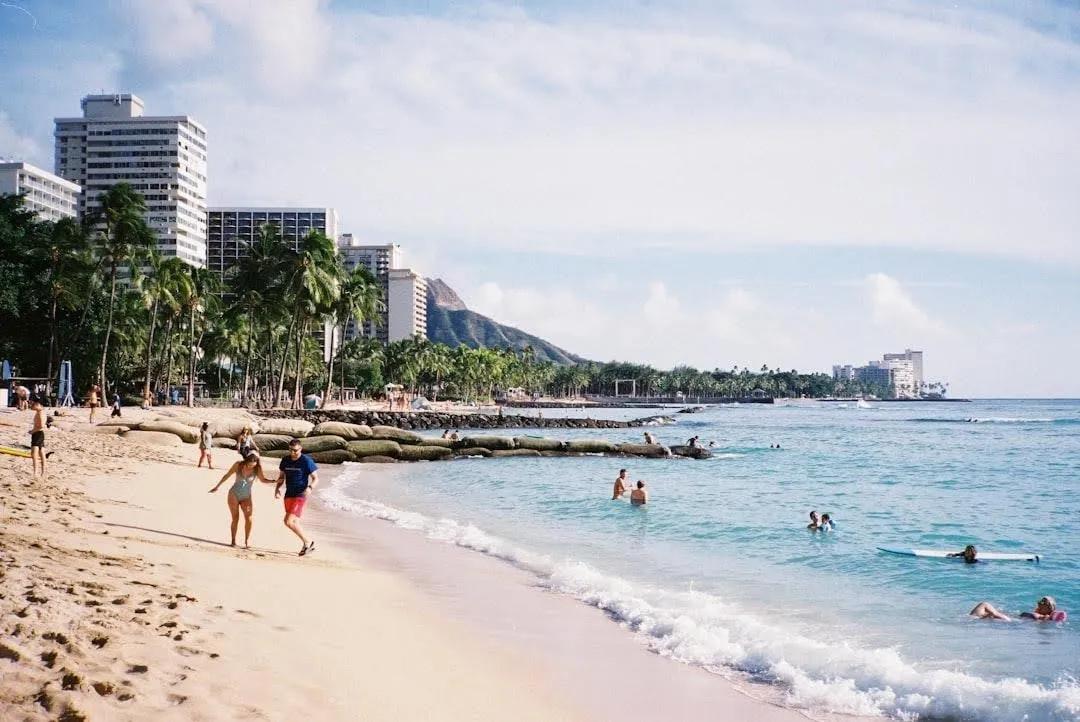
Waikiki holds a different kind of significance in surf history than the heavy North Shore breaks. This is the beach where Duke Kahanamoku helped reintroduce surfing to the modern world in the early twentieth century, and it remains today one of the most accessible, forgiving places on earth to learn to ride a wave.
Unlike Pipeline or Sunset, Waikiki's appeal has never been about raw power or difficulty. Its long, gentle, rolling waves break over a sandy and reef bottom that offers a genuinely welcoming environment for beginners while still providing enough character to keep experienced longboarders coming back for decades.
Understanding what makes Waikiki special, both historically and as a wave, explains why this stretch of Honolulu coastline remains one of the most surfed and most beloved breaks in the world.
A Wave Shaped by History as Much as Geography
Waikiki's surf culture predates almost every other modern surf destination, and the beach's role in reviving and popularizing the sport globally gives it a cultural weight that extends well beyond the quality of any single wave here.
Duke Kahanamoku's demonstrations here in the early 1900s helped launch surfing's modern global spread
Traditional Hawaiian outrigger canoe surfing has roots on this same stretch of coast going back centuries
Beach boy instructors have taught visitors to surf at Waikiki for generations, a tradition that continues today
Several distinct named breaks span the length of Waikiki, each with a slightly different character
This layered history means surfing at Waikiki connects to something considerably deeper than just catching a wave, which is part of why so many surfers describe their first Waikiki session as a genuinely meaningful experience rather than simply a beginner lesson.
The Different Breaks Within Waikiki
Canoes and Queens: The Classic Longboard Peaks
These gentle, rolling breaks near the heart of Waikiki are where most visitors take their first surf lesson, offering long, forgiving rides that build confidence without the intimidation factor of a more powerful wave.
Populars and Ricebowl: A Step Up in Character
Slightly further out, these breaks pick up a bit more size and power, appealing to intermediate surfers and longtime Waikiki regulars looking for a wave with a little more push than the beginner-friendly inside breaks.
Why Waikiki Works So Well for Beginners
Waikiki's gentle wave energy, combined with a sandy bottom in most areas and consistently warm water, removes much of the intimidation that makes learning to surf elsewhere genuinely difficult.
Long, slow-breaking waves give beginners far more time to find their feet than a steeper wave would
Warm, clear water year-round means no wetsuit is needed, simplifying the whole learning experience
A large, established instructor community means quality lessons are easy to find
Consistent, moderate conditions most days mean fewer wasted trips compared to more swell-dependent breaks
Checking a current Waikiki surf forecast still matters even here, since certain swell directions and sizes can push the outer breaks well beyond beginner-friendly territory, even while the inner breaks stay calm.
Planning a Waikiki Surf Session
Given the beach's popularity with both tourists and dedicated locals, timing a session thoughtfully makes a genuine difference in the overall experience, particularly during peak travel seasons when the water can get genuinely crowded.
Early morning sessions generally offer calmer water and fewer beginners clustered in the same area
Booking a lesson with an established local instructor connects visitors directly to Waikiki's teaching tradition
Renting a longboard specifically, rather than a shorter board, suits the wave's character far better
Afternoon sessions can get crowded with both surfers and swimmers as the day progresses
This kind of simple planning helps visitors get the most out of a Waikiki session, whether that means an efficient first lesson or a more relaxed, uncrowded longboard cruise for an experienced surfer.
A Wave for Every Level, Not Just Beginners
While Waikiki's reputation centers on learning to surf, the outer reefs and occasional larger south swells give experienced longboarders and even some shortboarders genuine, high-quality waves that keep locals surfing here for decades rather than moving on to more advanced breaks.
This range, from a first-timer's gentle introduction to a lifelong local's daily longboard session, is exactly what makes Waikiki such an enduring and singular place in global surf culture.
Few beaches anywhere manage to hold this dual identity so comfortably, serving as both a serious surf destination for those who have surfed here for decades and an approachable, welcoming starting point for those picking up a board for the very first time.
This is ultimately what makes Waikiki worth understanding on its own terms, rather than simply as a beginner's beach overshadowed by Oahu's more famous North Shore breaks a short drive away.